
How to Start a Cosmetic Brand
Starting a cosmetic brand today does not require owning a factory. With the right strategy and a reliable manufacturing partner, you can launch efficiently, control quality, and build a brand that matches your target market.
In This Guide
- Define your brand positioning
- Select the right products
- Choose a manufacturing partner
- Develop formulas and packaging
- Understand MOQ and production planning
Step 1 — Define Your Brand Positioning
Before developing any product, you need clarity on your market, price level, and product focus. A clear positioning helps you make better decisions in formula, packaging, and branding.
- Who is your customer?
- What market are you targeting?
- Will your brand be affordable, mid-range, or premium?
Step 2 — Select the Right Products to Launch
For a new brand, it is usually better to launch with one to three focused products rather than too many SKUs.
Good starting categories include:
- Lip gloss
- Mascara
- Eyeliner
These categories usually have strong demand, clear positioning, and good repeat-purchase potential.
Step 3 — Work with an OEM Cosmetic Manufacturer
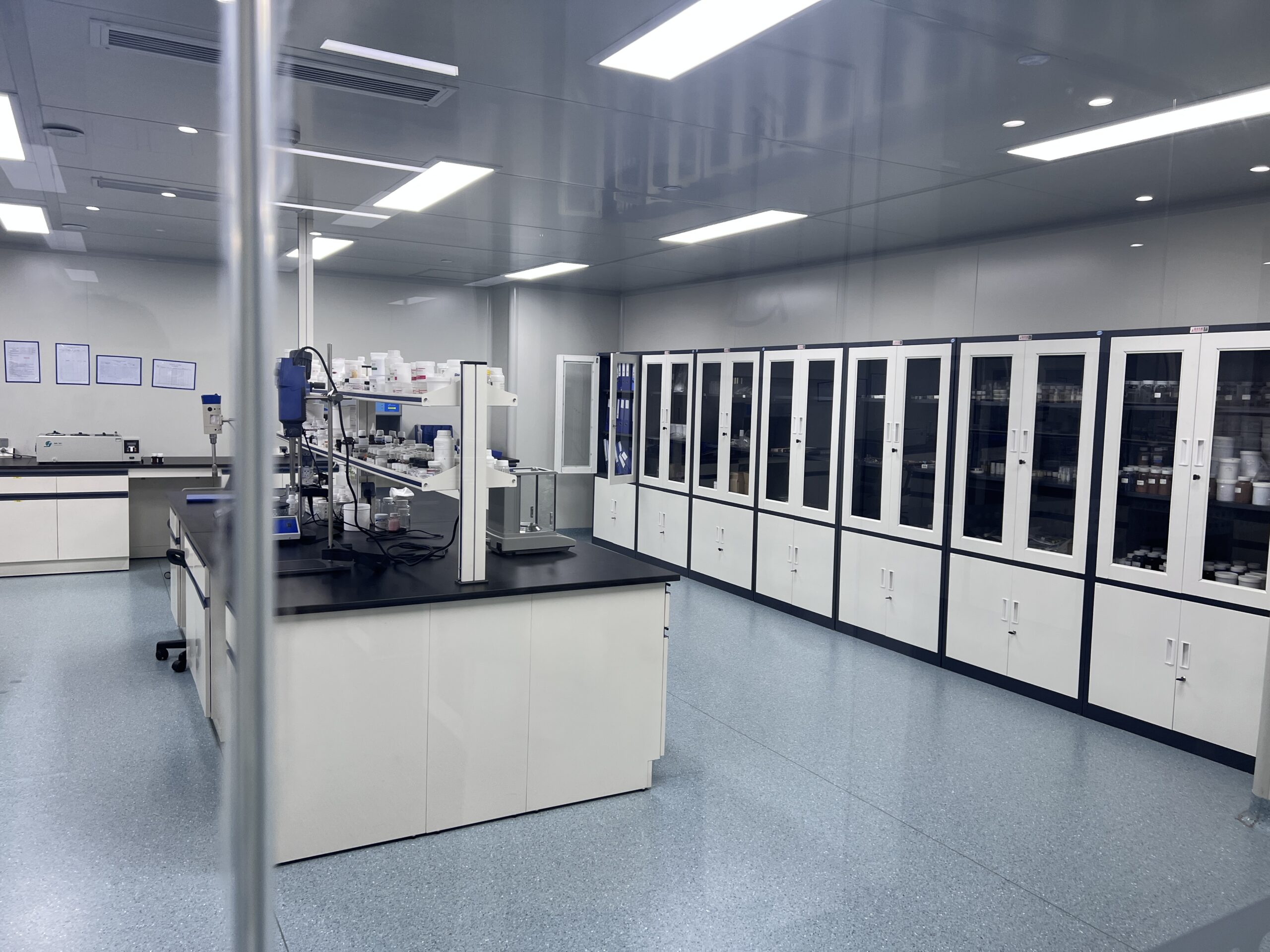
Most new brands do not build their own factory. Instead, they work with an OEM manufacturer that can support development and production.
A professional manufacturer can help with:
- Formula selection or development
- Packaging sourcing
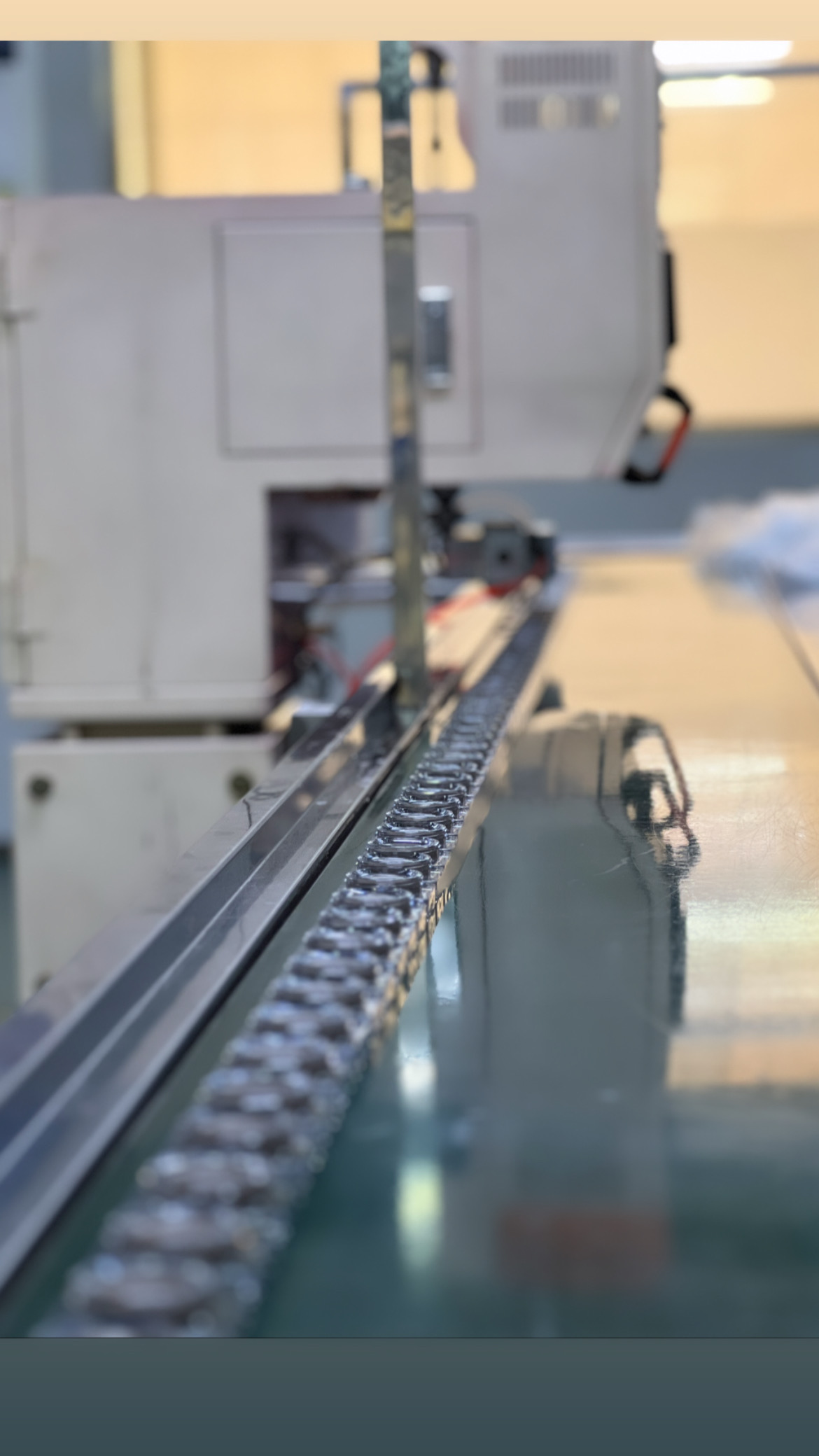
- Filling and production
- Quality control
At Vibe Cosmetics, we support clients from concept to final production with full OEM and private label manufacturing services.
Step 4 — Choose Between Existing and Custom Formulas
There are two main development routes:
Existing Formula
- Faster development
- Lower cost
- More efficient for first launches
Custom Formula
- More unique product identity
- Longer development timeline
- Higher testing and development cost
For first-time launches, existing mature formulas are often the more practical choice.
Step 5 — Develop Your Packaging
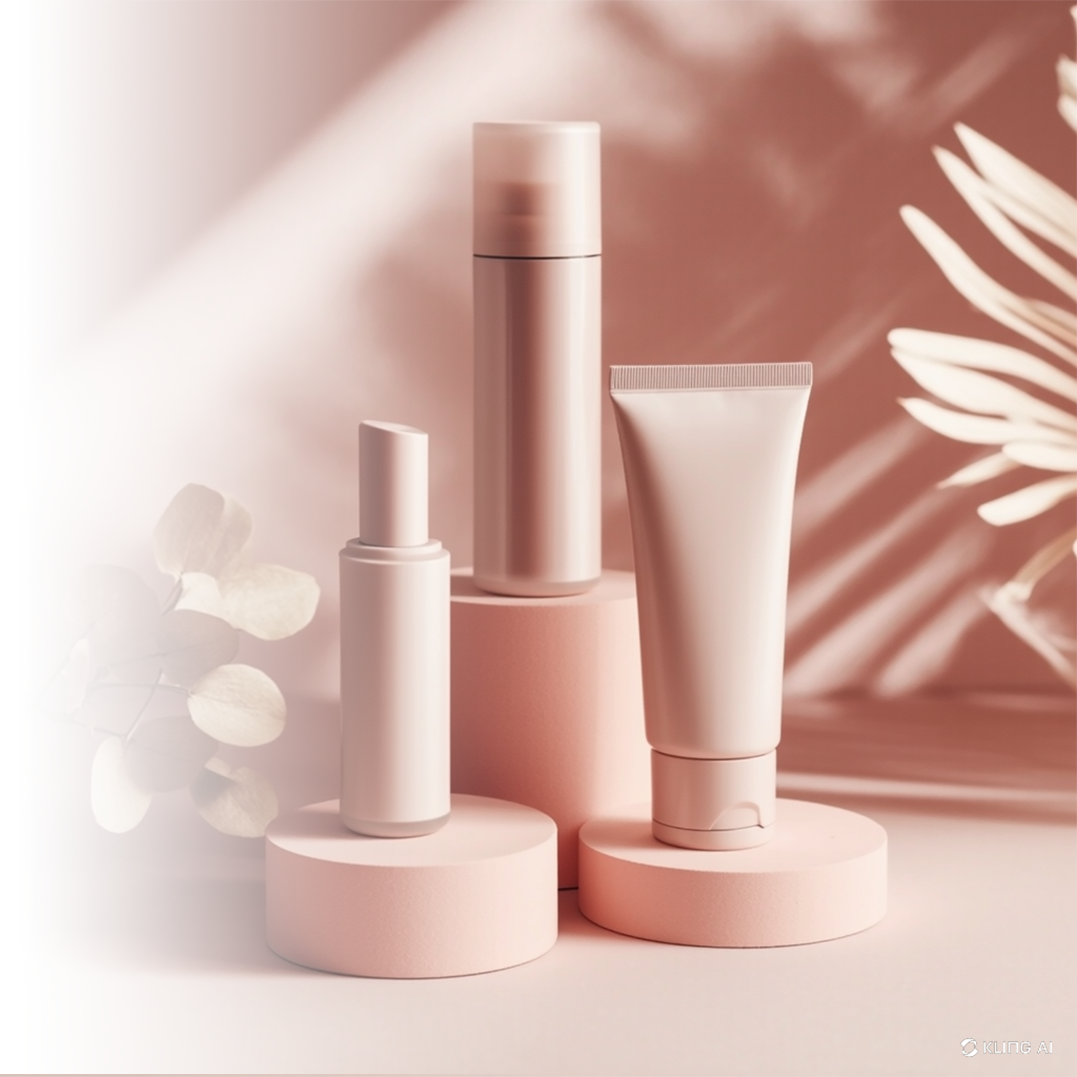
Packaging has a direct effect on how your product is perceived. It should match your market positioning, target customer, and expected price level.
Important packaging decisions include:
- Component style
- Decoration and finish
- Logo printing
- Outer box design
Step 6 — Understand MOQ and Order Planning
MOQ depends on packaging, product type, and production conditions. In many projects, MOQ planning is one of the most important commercial decisions.
- Typical MOQ per product: 10,000–12,000 units
- Typical MOQ per shade: 2,000–3,000 units
Planning correctly at this stage helps control cost, packaging efficiency, and inventory risk.
Step 7 — Sampling and Testing
Before confirming production, samples should be tested carefully.
- Texture and performance
- Color accuracy
- Packaging compatibility
- Overall product feel
This step helps prevent problems during mass production.
Step 8 — Production and Quality Control
After approval, the project moves into production. A professional manufacturer should provide controlled production conditions, stable quality, and clear follow-up during the process.
This stage includes:
- Production scheduling
- Filling and assembly
- Inspection and quality control
- Packing and shipment preparation
Step 9 — Launch Your Brand
Once production is complete, your launch can begin through different sales channels:
- Instagram and TikTok
- Shopify or e-commerce website
- Distributors
- Retail stores
It is usually better to start with a focused product range and expand based on market response.
Conclusion
Launching a cosmetic brand requires clear positioning, the right product choices, and a reliable manufacturing partner. With the correct structure from the beginning, the process becomes faster, more efficient, and more scalable.
Start Your Project
If you are planning to launch your cosmetic brand, Vibe Cosmetics provides full OEM and private label manufacturing support, from product development to final production.
Submit Your Inquiry